A working farm in the South Downs - meet the animals, land and people behind South Farm Rodmell
Welcome to South Farm: a family-run farm where heritage meets nature and memorable experiences are grown daily
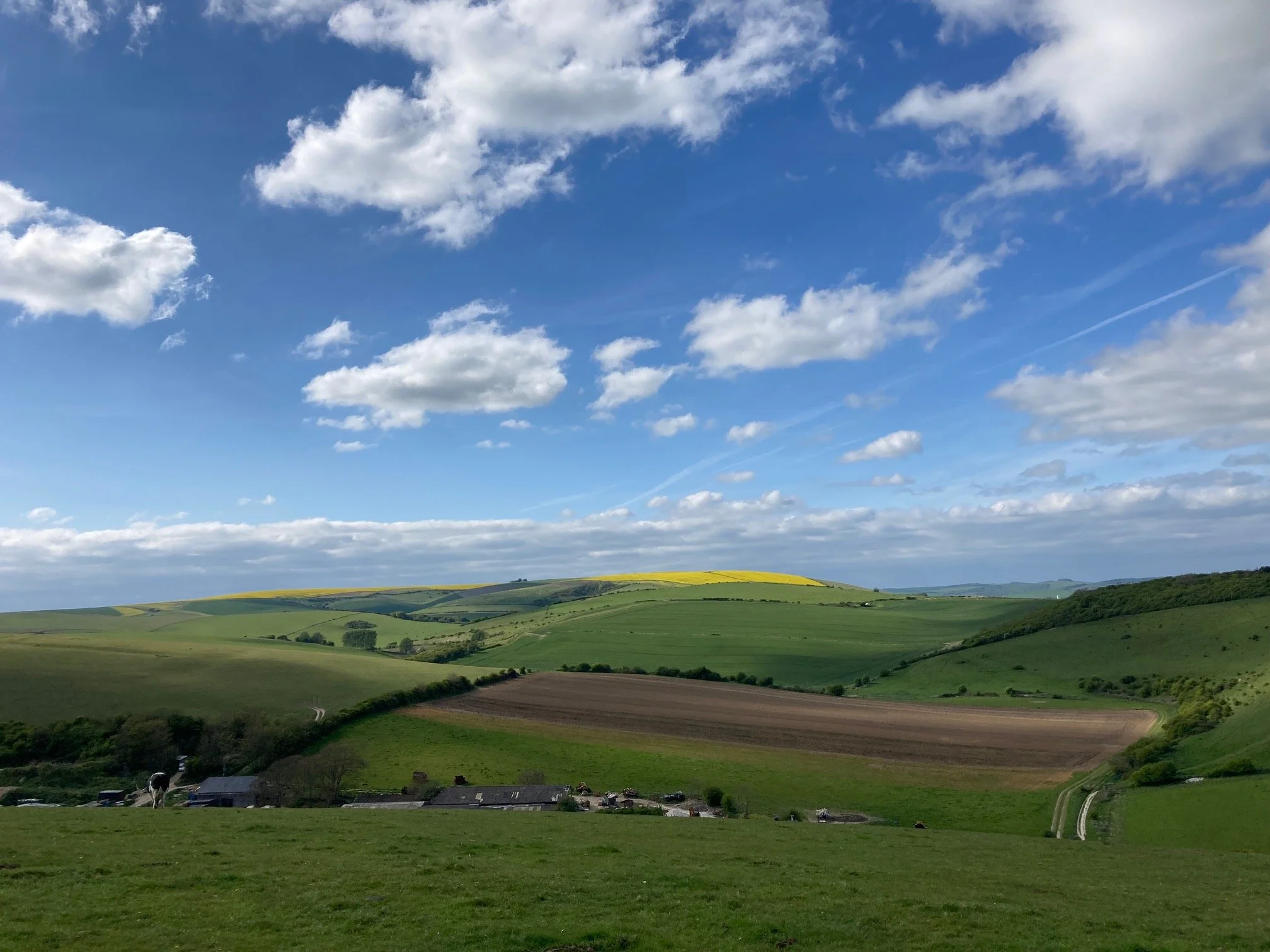
South Farm is a family run working farm nestled in the Cricketing Bottom valley within the South Downs National Park. We're a mixed farm - arable crops, beef cattle, sheep, and a pedigree herd of British Friesian dairy cows milked on a Lely A4 robot. The ancient downland we farm is a haven for birds, wildlife and native plants.
Open Farm Sunday - 14th June 2026
On Sunday 14th June we're throwing open the gates for Open Farm Sunday - a free national event that gives families the chance to get up close with real farm life.
This is your chance to see South Farm properly. Watch our pedigree British Friesian dairy cows come in to be milked on our Lely A4 robot - they decide the timing, not us. Meet our calves and lambs out in the fields. See the machinery that keeps the farm running through the seasons.
Light refreshments will be available from our coffee box, or bring a picnic and make an afternoon of it.
Free entry. 2pm–5pm. (Booking required)
Our Cows
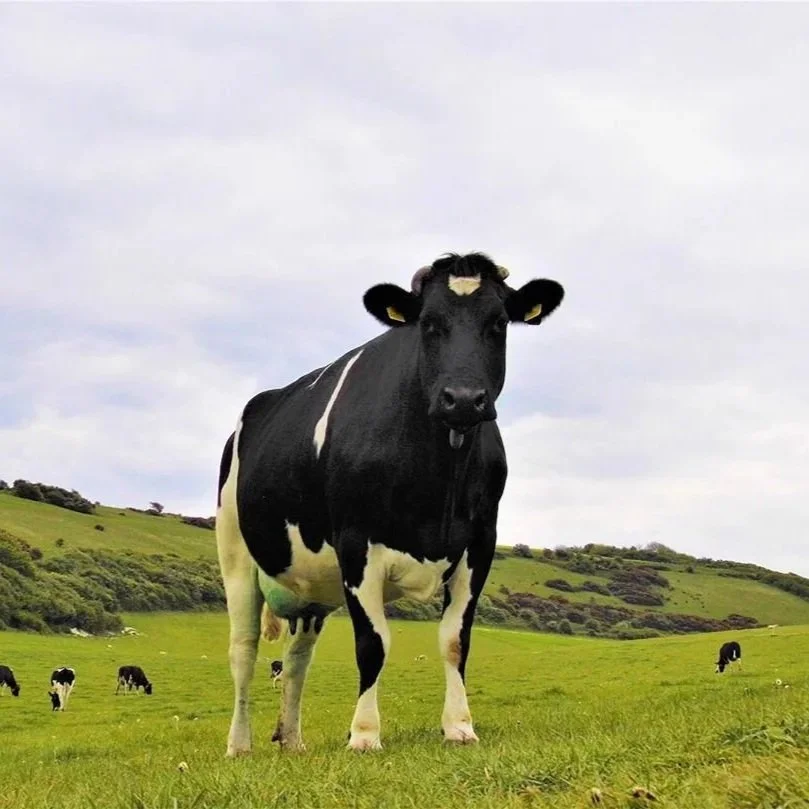
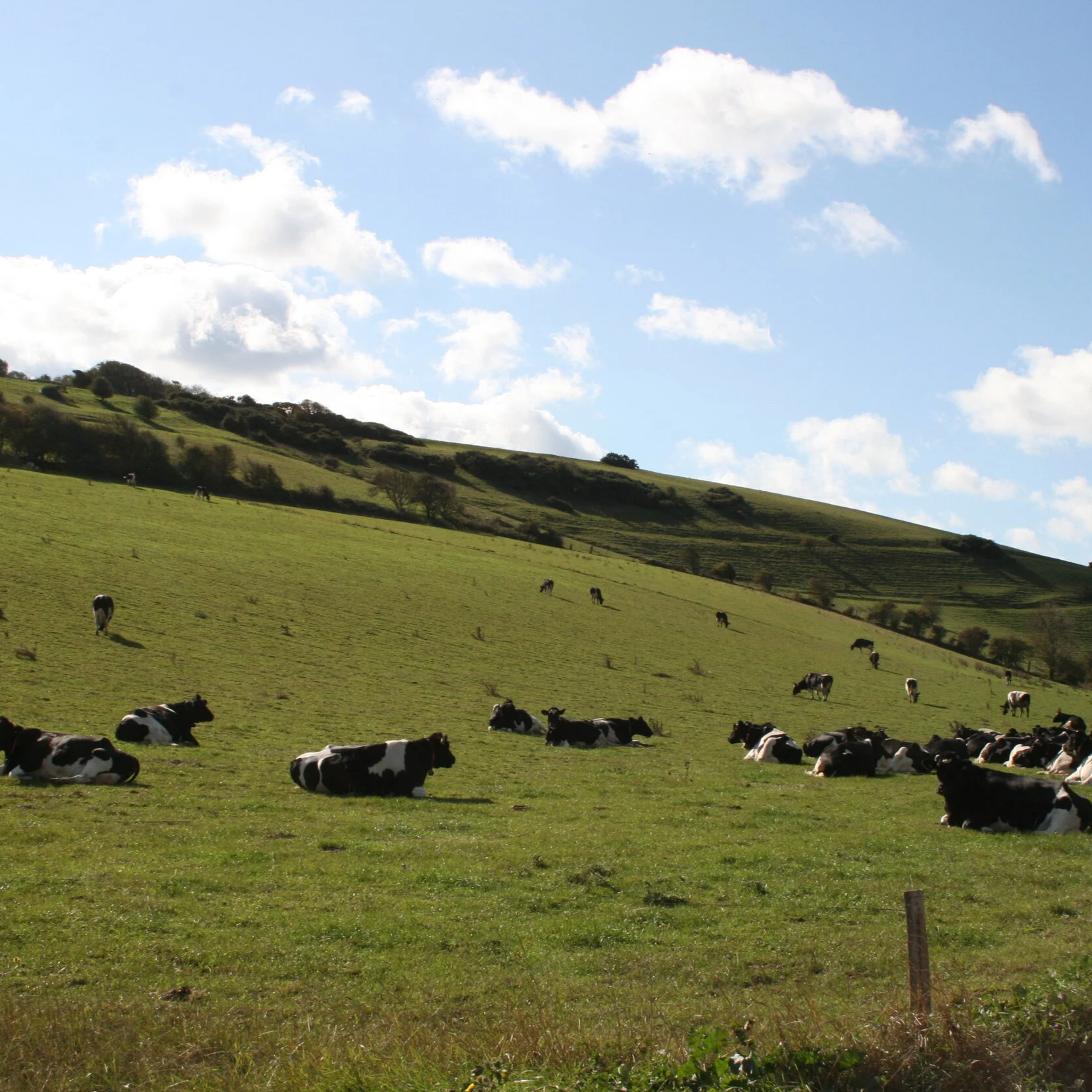
At the heart of our farm is our much-loved herd of cows. They’re not just part of the landscape - they’re part of our story.
-
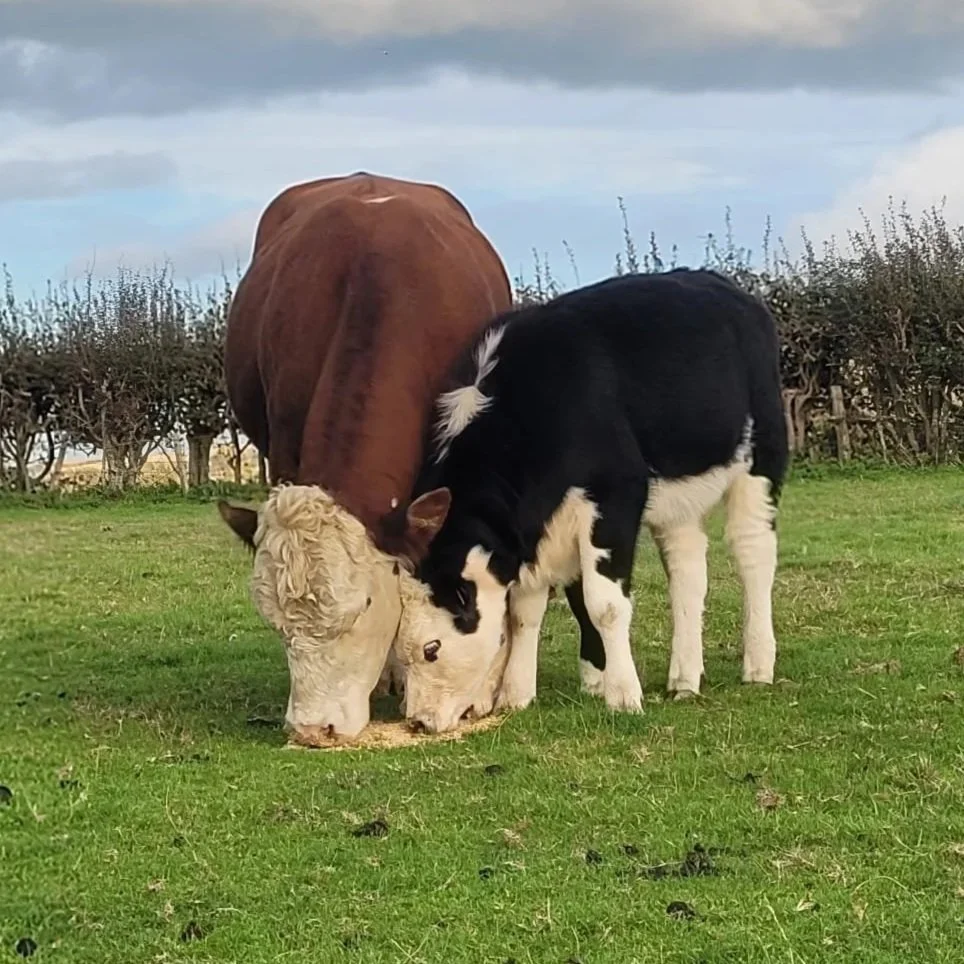
Our dairy cows are all British Friesians. This breed were brought to the farm in the 1930s and the cows we have today are their descendants! Friesians are known for their calm temperament and are well suited to grazing 365 days a year
-
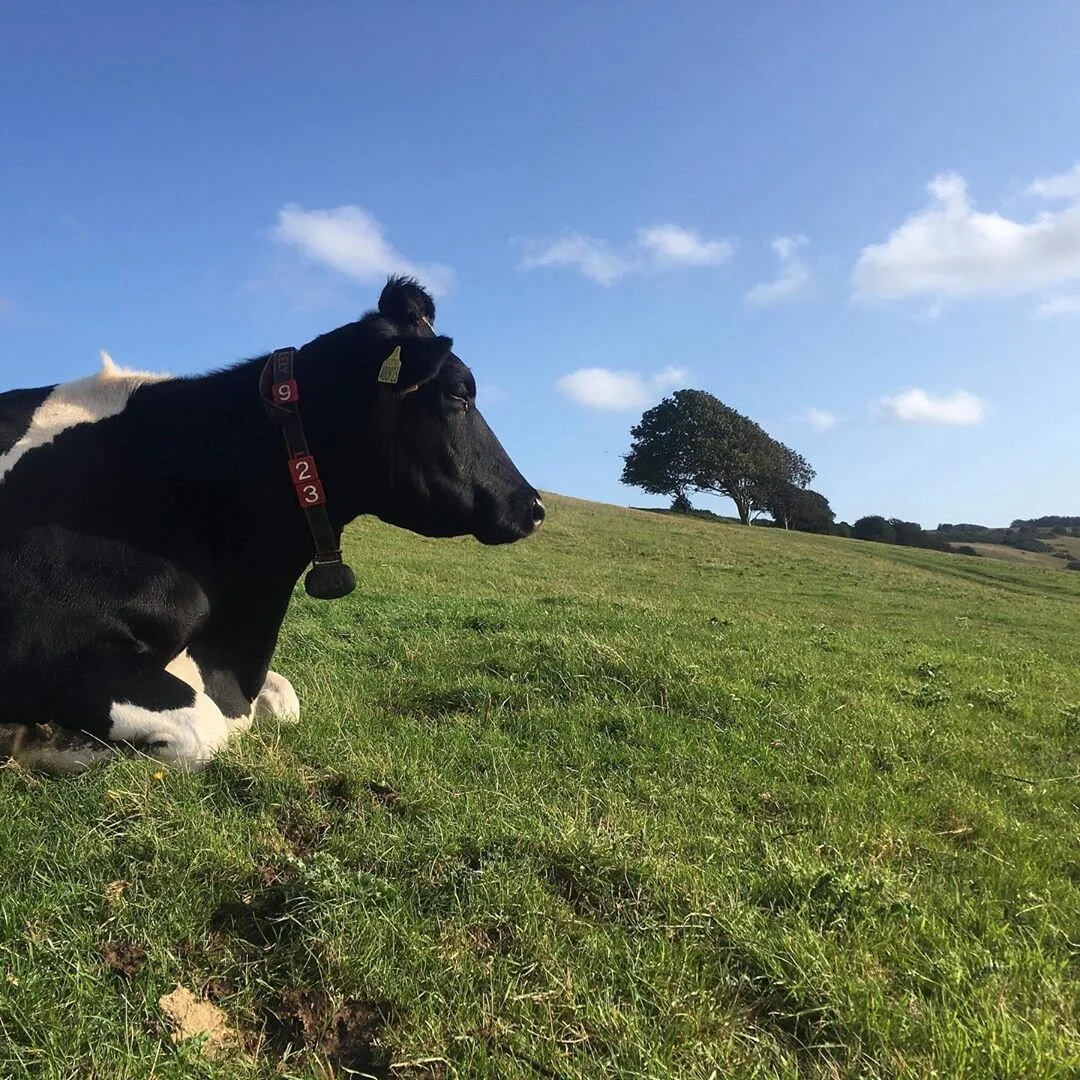
Our cows all wear collars! Each collar has the cows number (Not enough space for their names!) and a transponder for our milking robot to pick up all the information about each cow. It measures her activity (like a step count) and can warn us if she might be ill. There is also a weight at the bottom to keep the collar in the right place.
-
We are very proud that every cow that is born on the farm, stays on the farm until it is fully reared. Our heifers (first time mums) are bred to a beef bull for easy calving and the crossbred calves go into our beef system. The cows are bred to a dairy bull to provide replacements to the dairy herd. The bull calves are kept and reared on farm in our beef system
-
The cows spend most of their time out on the hill grazing. They come into the shed whenever they want to be milked, have a lay down in a comfy bed, or have a bit of their specially prepared food which is called a ration
-
Every cow in the UK has it’s own passport! They are identified by the numbers on the passport which matches the number on her ear tag. Our cows are also named! Each bloodline has its own name. We have Audrey, Grace, Sue, Isobel, Ella, and many more!
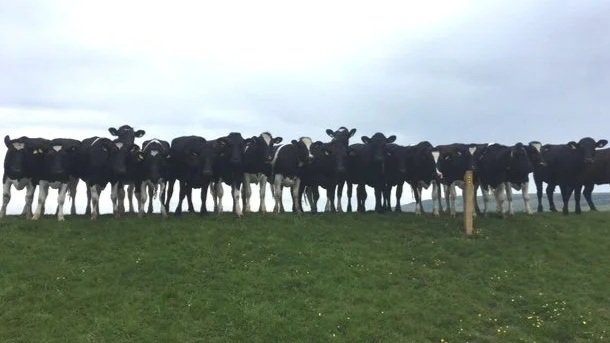
A Heritage Herd
We’re proud to keep a traditional British herd. These cows have grazed these fields all year round for generations, and we carefully look after each one to ensure they’re healthy, comfortable and content.
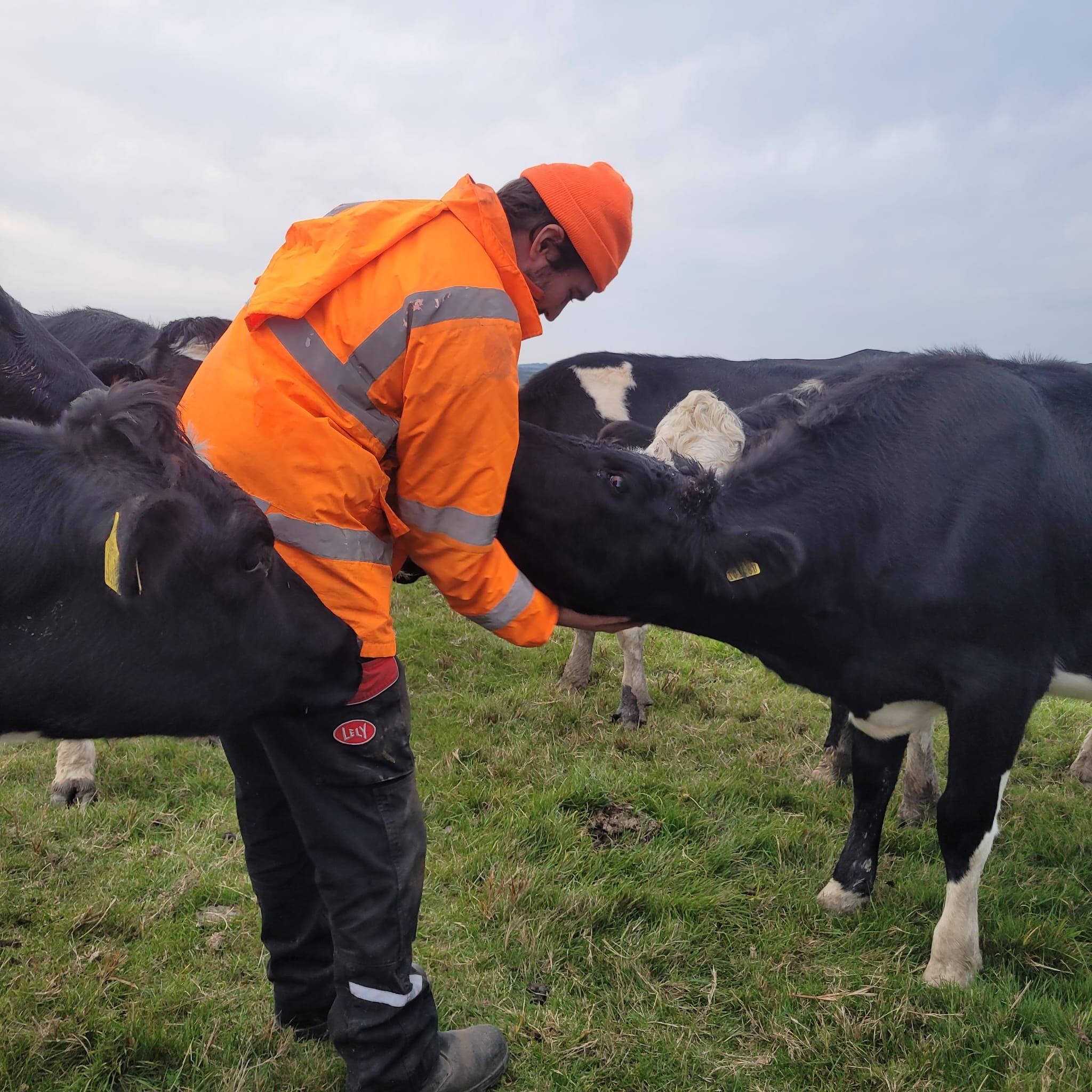
Cows are surprisingly curious animals — they’ll often wander over to investigate visitors walking nearby!
Caring for Our Land
Our cows play an important role in maintaining the health of the farm. Rotational grazing helps protect the grassland, encourages biodiversity, and supports the natural landscape around us.
Looking after the land and our animals responsibly is central to everything we do.
Part of the Family
Each cow is known to us, and most have been born and raised here. Farming isn’t just our job — it’s our way of life, and we’re proud to share a glimpse of it with everyone who visits.
When you walk the farm, you’re not just seeing livestock — you’re seeing generations of care, tradition and countryside living.
Our Sheep
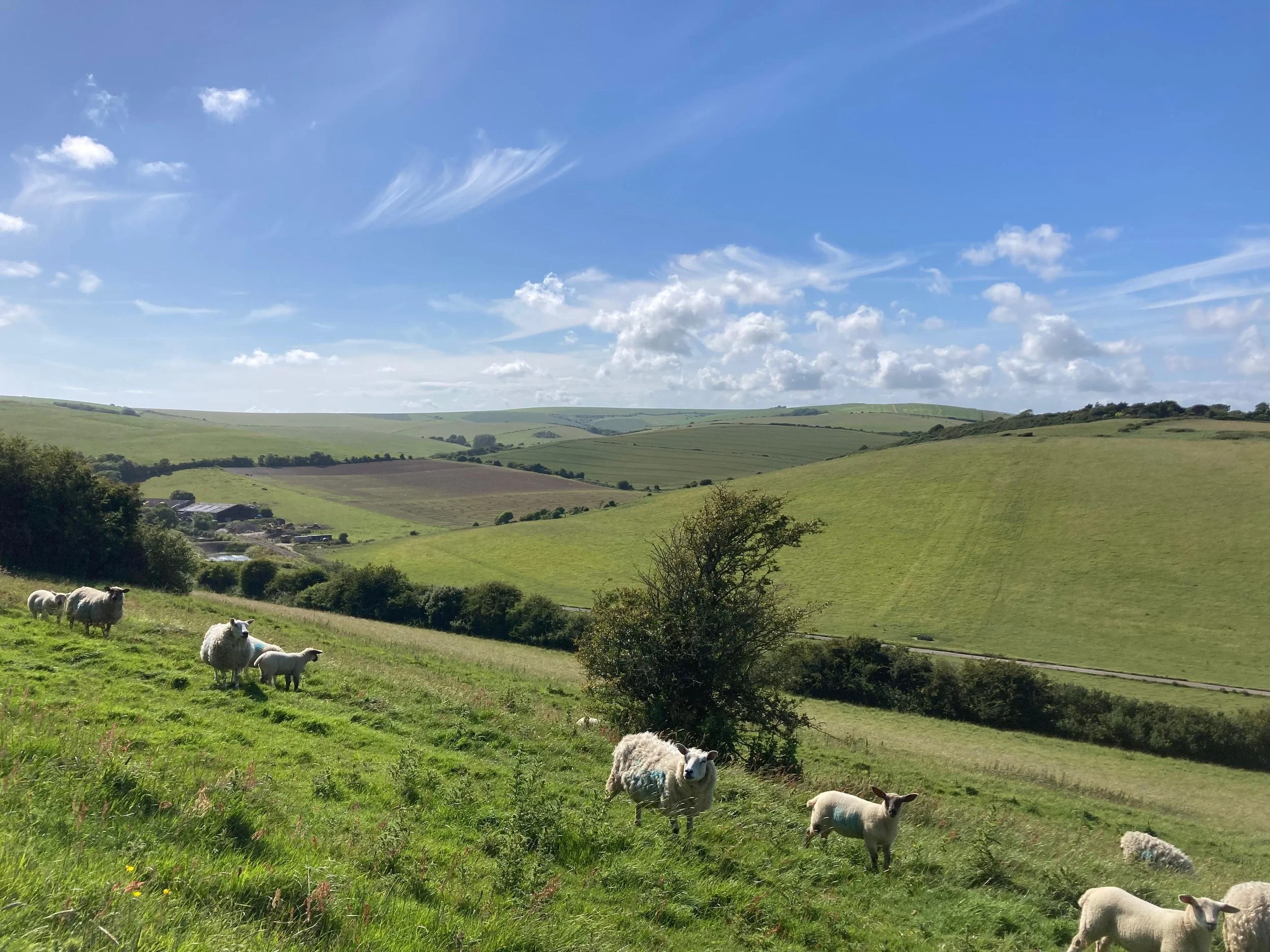
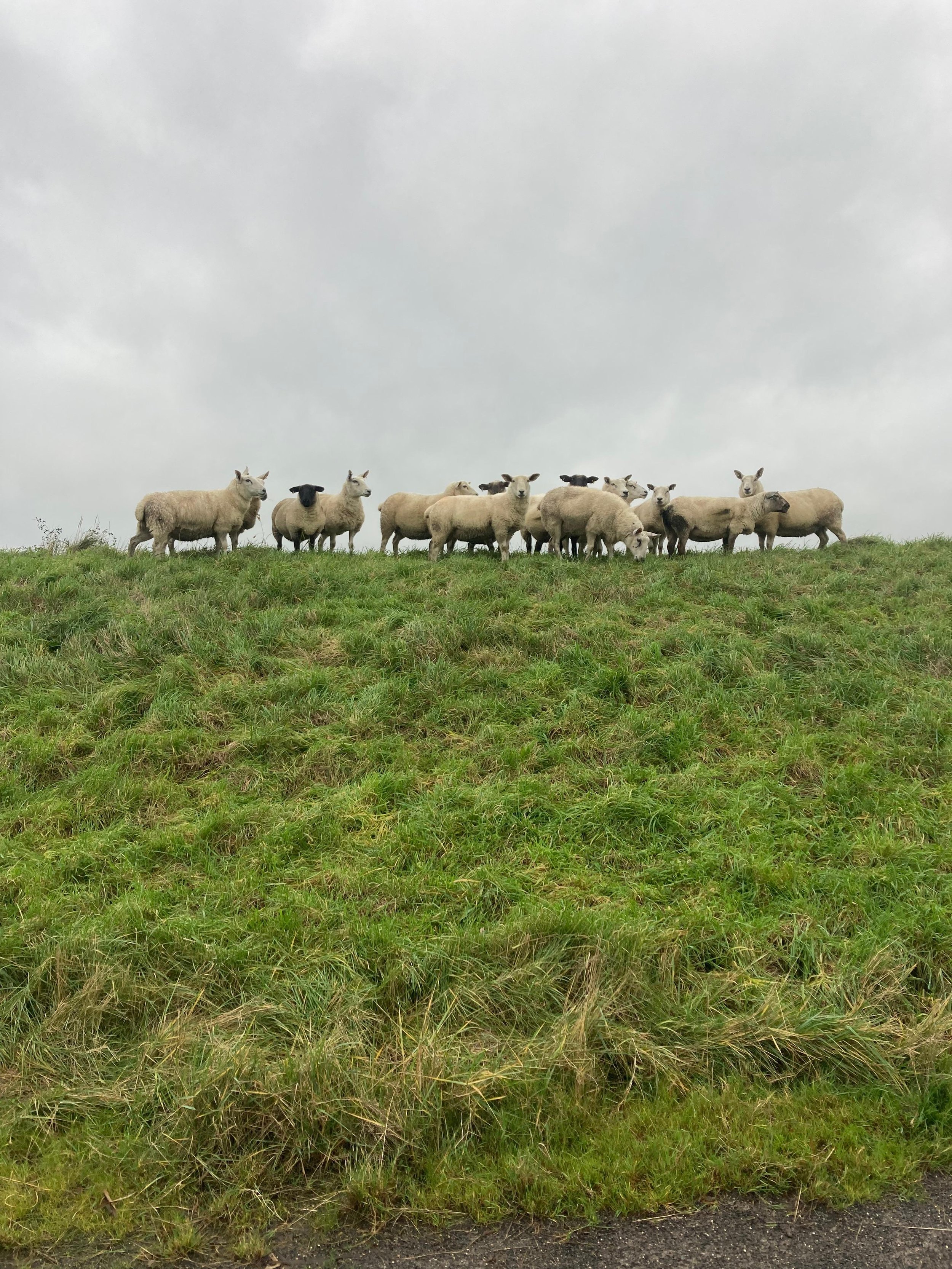
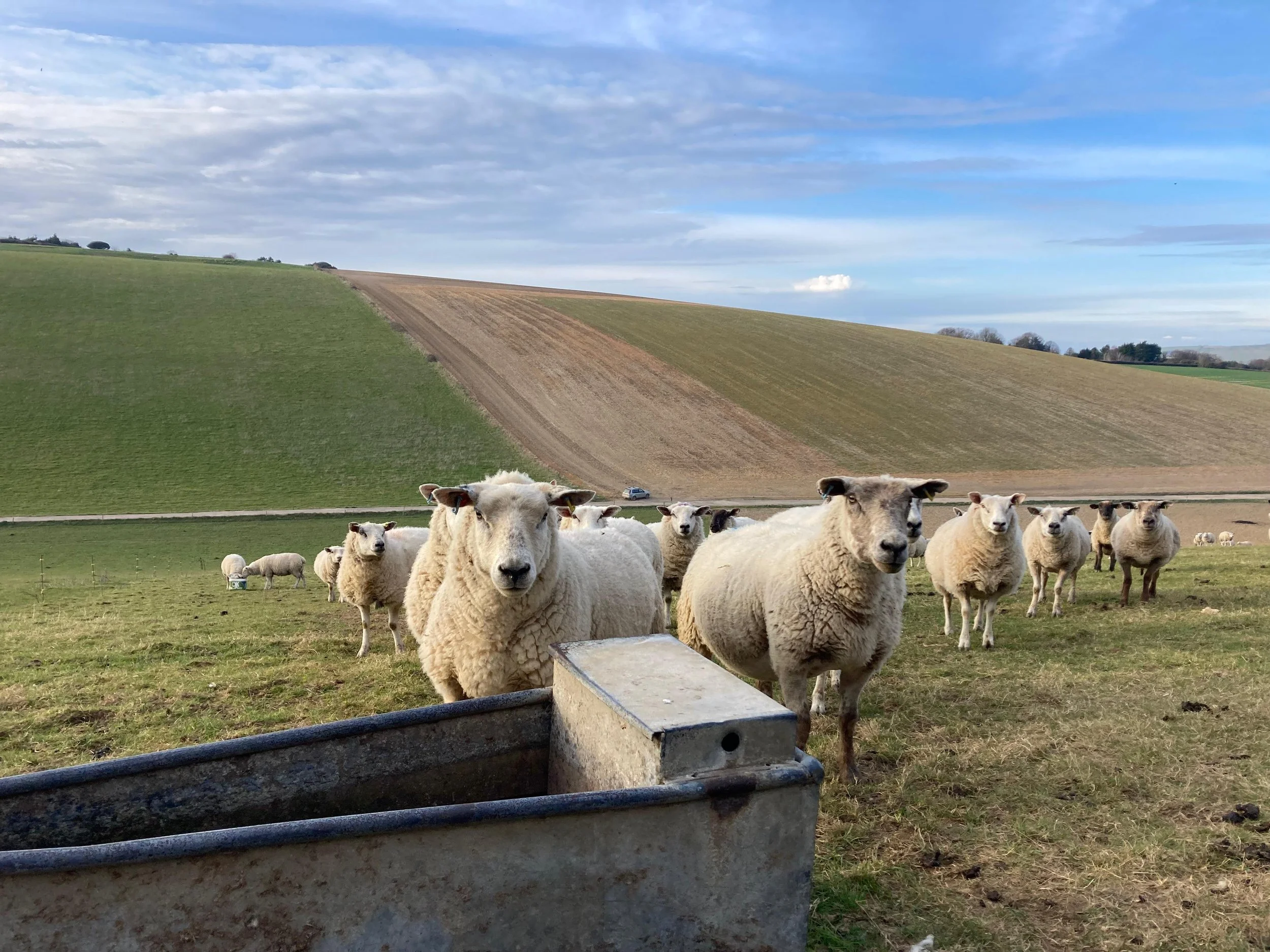
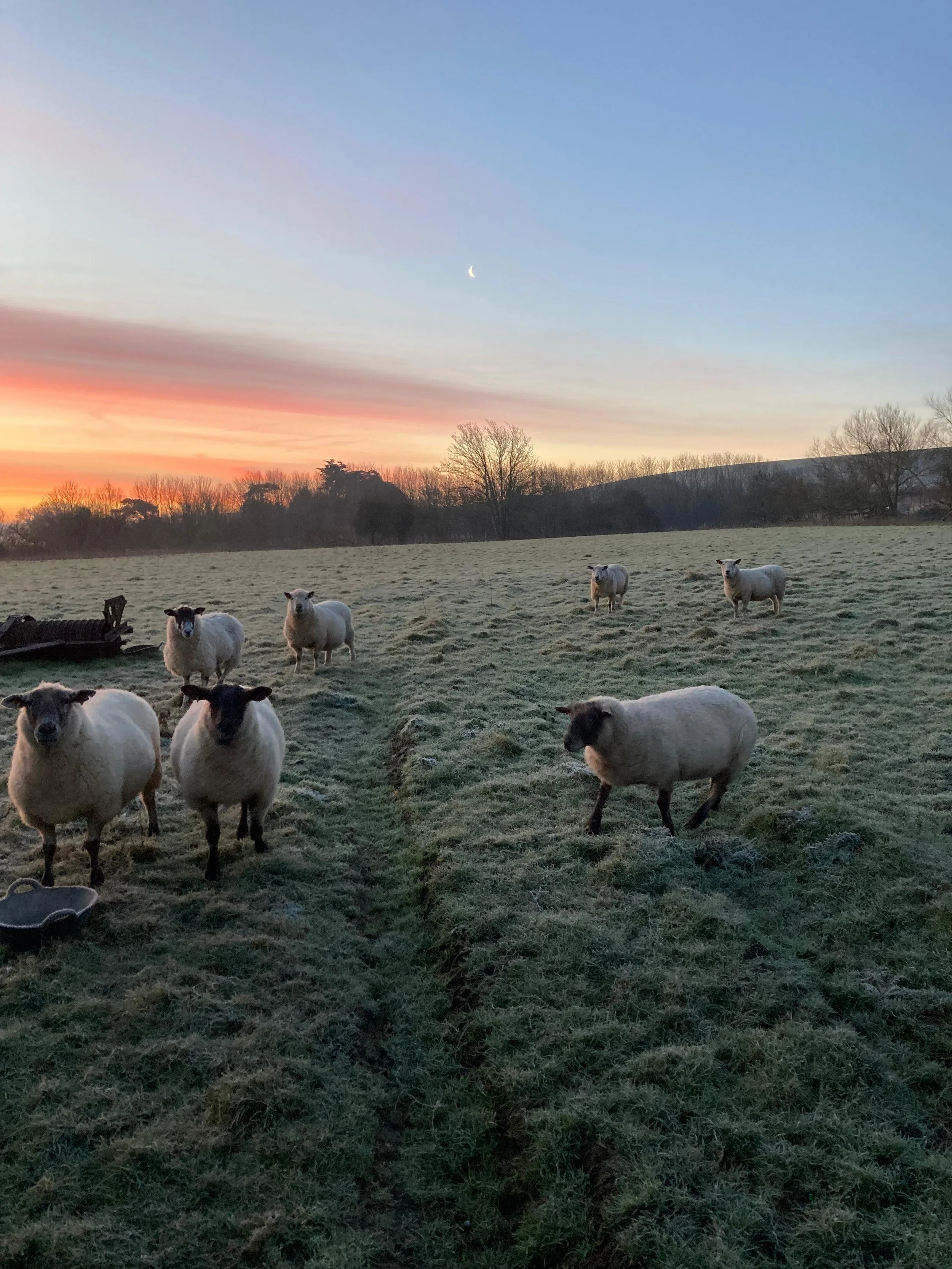
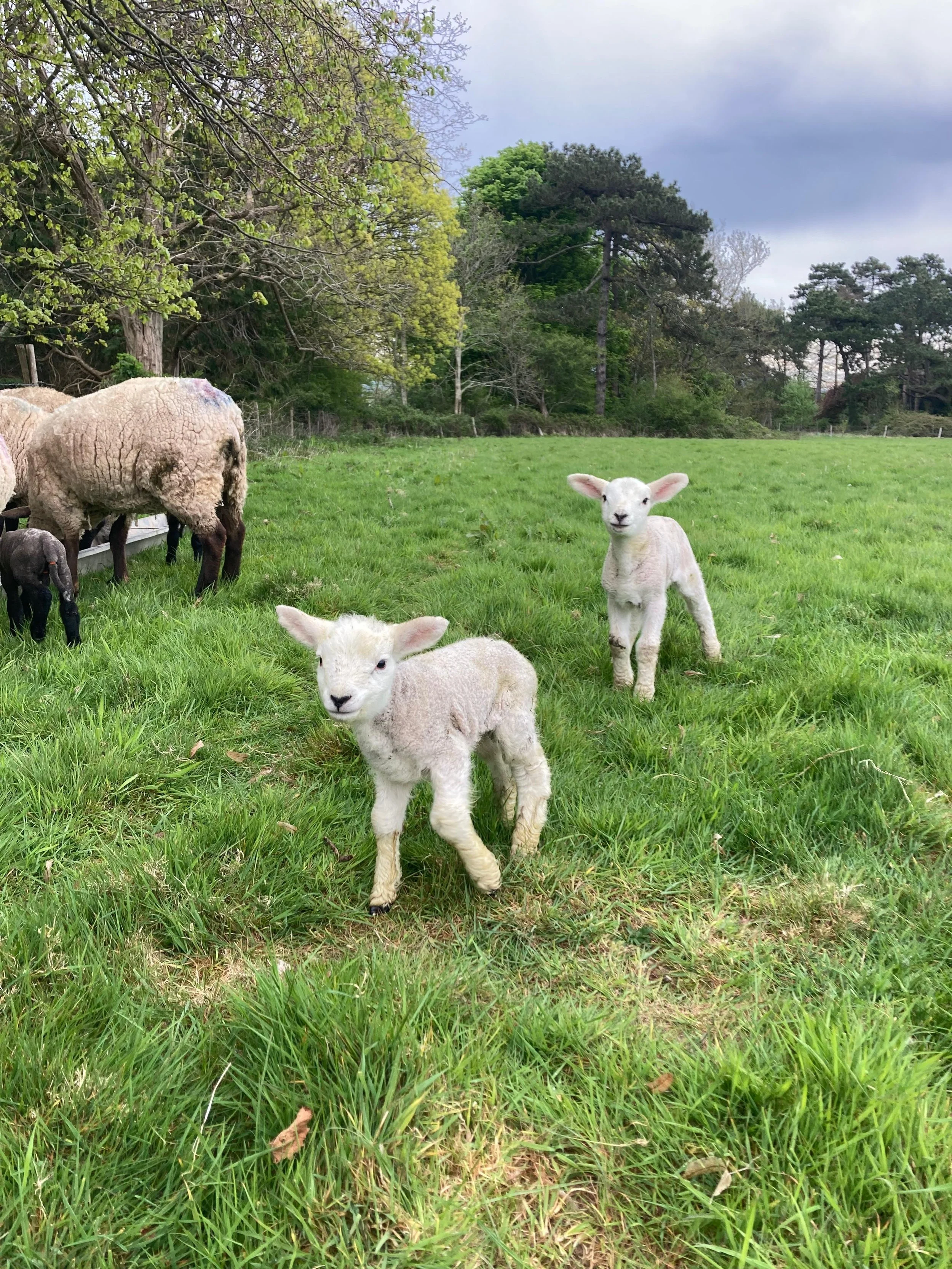
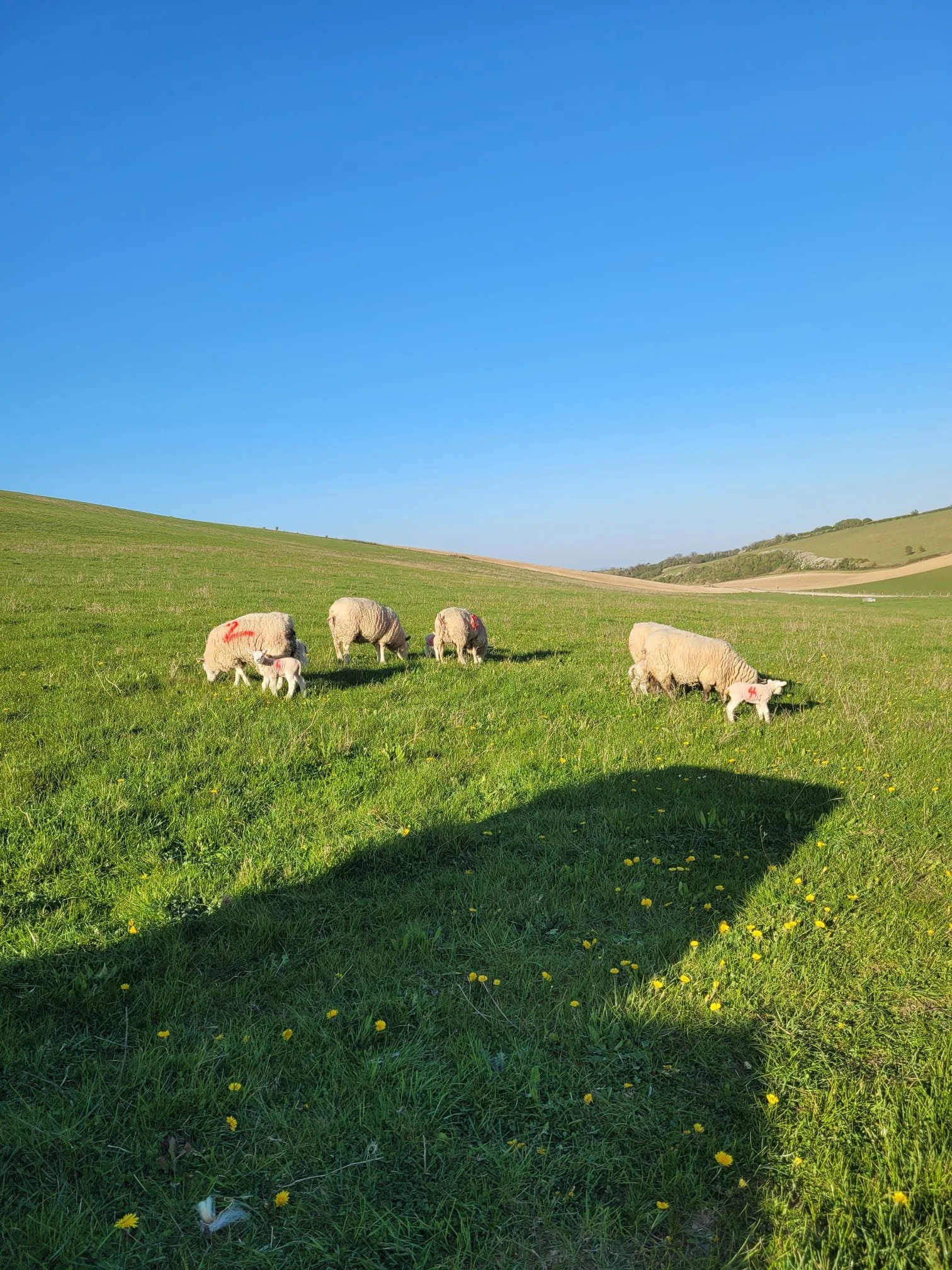
When you come to our farm, you’ll almost certainly spot our flock scattered across the landscape. Sheep bring movement and life to the hills, quietly grazing and following the natural contours of the land.
-
We have a mixed breed flock of sheep. They range from Texel, Beltex, Suffolk, Hampshire Down, Charollais, Border Leicester, and our one honorary Southdown called Betty!
-
Sheep graze in a different way to other livestock, nibbling grass close to the ground and helping maintain open pasture. This supports the character of the countryside and allows native plants to flourish. They also provide an alternative revenue stream for the farm.
-
Sheep have been bred to grow long coats for textiles. They need to be sheared at least once a year to remove the excess wool and prevent over-heating and illness. Shearing does not hurt them! It is just a haircut. Shearing historically brought in money to the farm but due to new textile technology, this is no longer the case so it is usually done just for the welfare of the animal
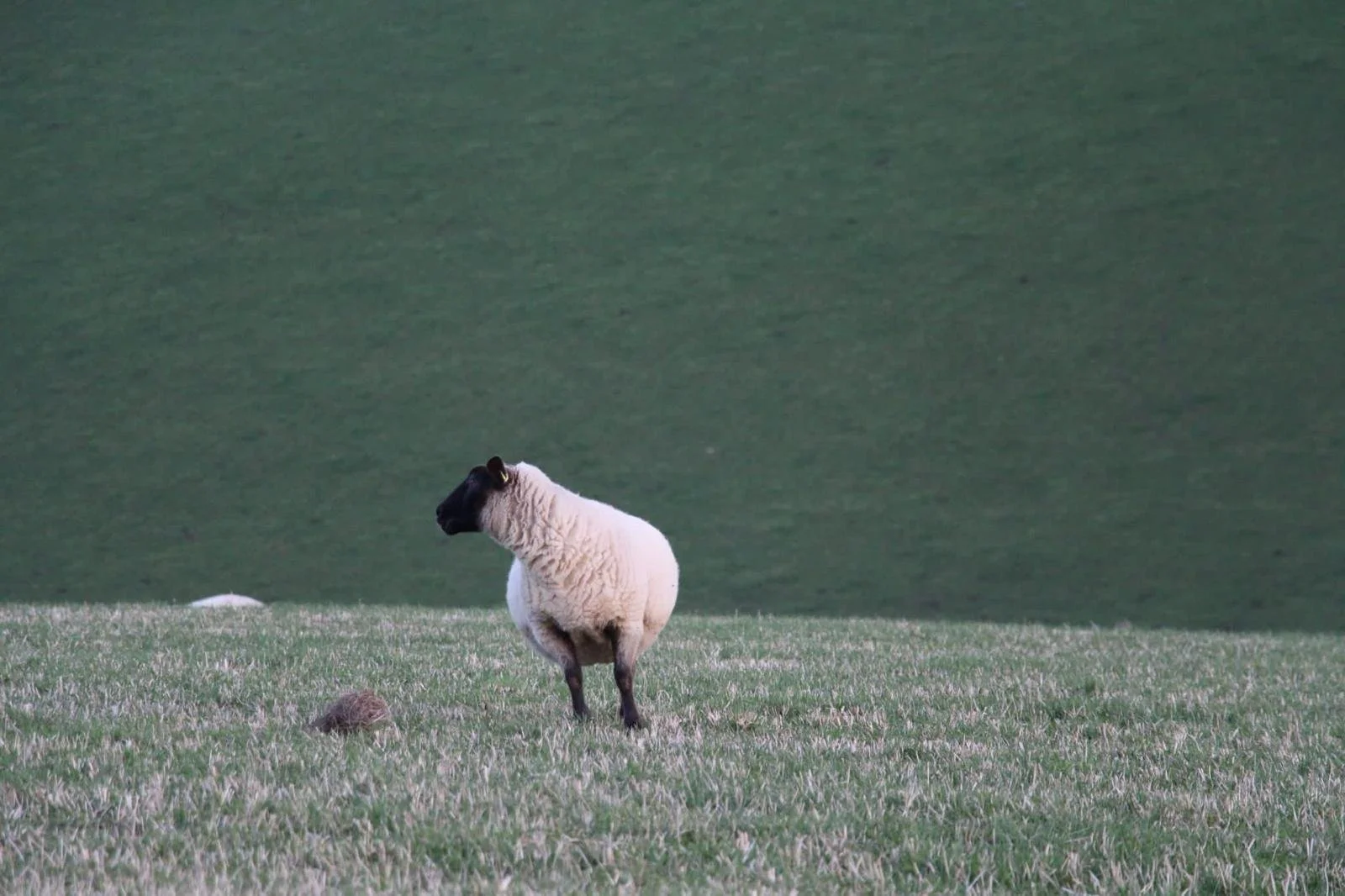
Spring: The Season of Lambs
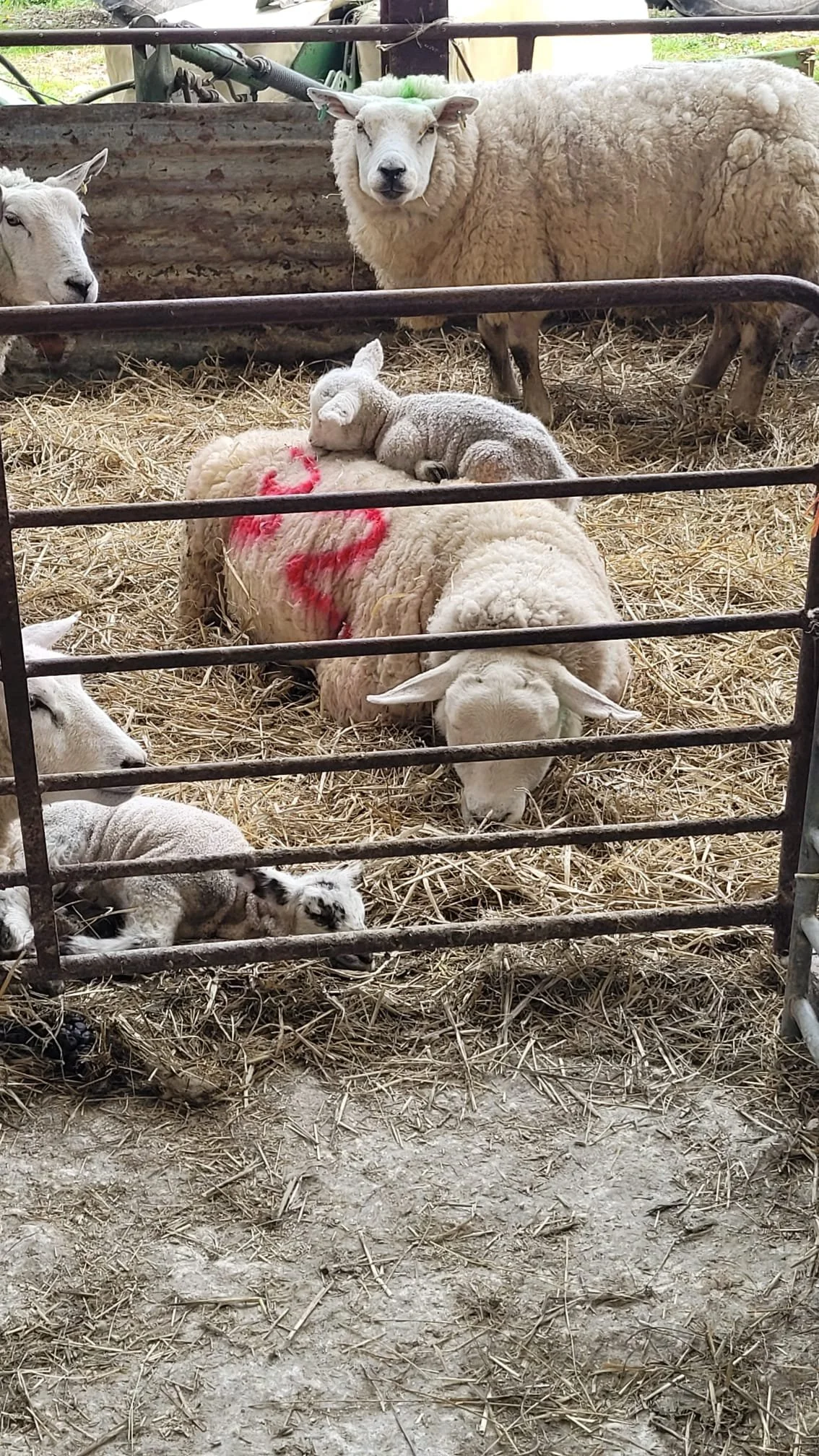
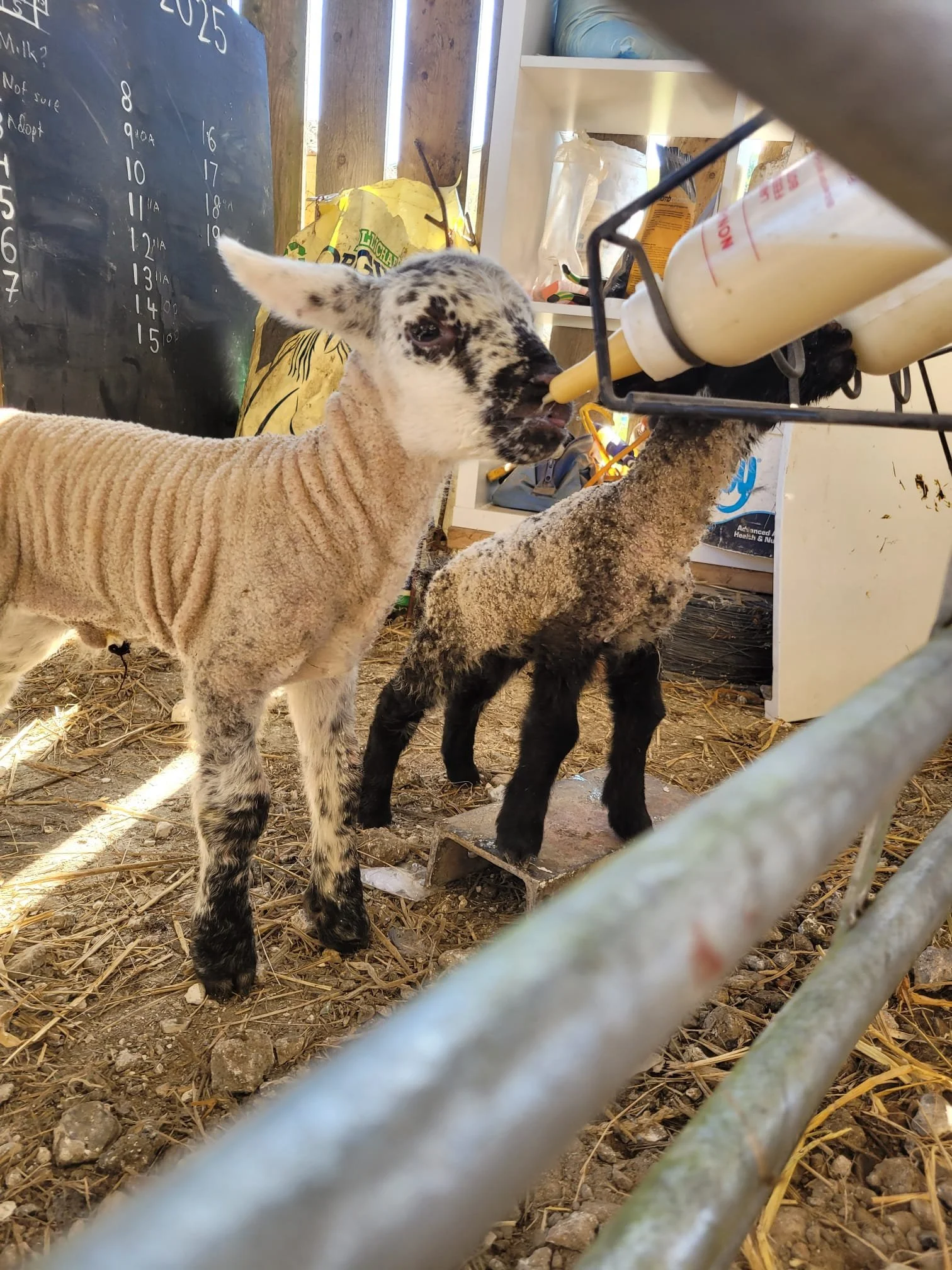
Spring transforms the farm. New lambs arrive full of energy, often seen bounding across the fields or staying close to their mothers in the first few days of life.
Lambing is one of the busiest and most rewarding times of year. It requires careful planning, close observation and round-the-clock attention to make sure both ewes and lambs get off to the best start. We do not currently run lambing visits but they will be out in the fields from a few days old.
Spot Them on Your Visit
Visitors often enjoy pausing to watch the flock from a distance. There’s something peaceful about seeing them dotted across the hills, especially in the quieter moments of the day.
Whether resting, grazing, or keeping a watchful eye on their lambs, they’re a constant and much-loved presence on the farm.

Other farm facts…
The crops we grow on the farm are used to feed all the animals and help us to be less reliant on bought-in feed. Our aim is to be self sufficient in feeding our animals.

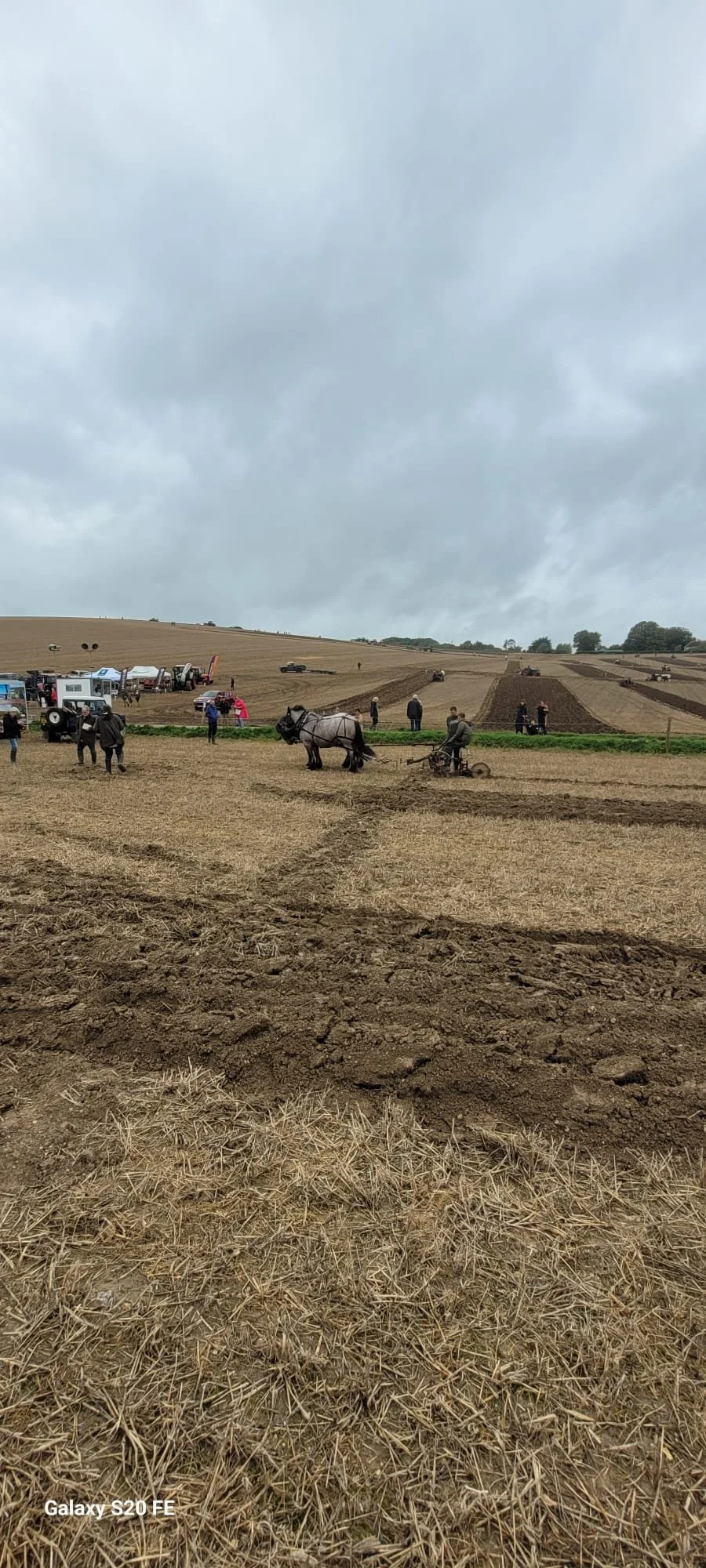
We hosted the Laughton and District Agricultural Society Ploughing Match in 2023. A beautiful day showcasing the practise of ploughing
We mill all the feed for the animals. Each group of animals gets a tailored ration depending on their needs

Want to know more? Come and visit us at one of our events through the year!